How to Use the Seoul Subway (For Foreign Visitors)
Complete Guide to Seoul Subway: How to Ride, Fares, and Transfers for Foreign Travelers
This is a complete guide for foreigners using the Seoul Subway for the first time. Learn everything you need to know about buying a transportation card, subway fares, transferring between lines, subway etiquette, and useful travel tips.
One of the transportation systems that foreign visitors appreciate most in Seoul is the Seoul Subway. It is widely recognized for its fast service, excellent punctuality, clean facilities, and affordable fares, making it one of the world’s top subway systems.
Today, the Seoul Subway connects not only Seoul but also Incheon and many major cities throughout Gyeonggi Province. This allows travelers to reach most destinations conveniently without renting a car. English announcements and multilingual signs are available throughout the system, making it easy even for first-time visitors to navigate.
How to Use the Seoul Subway
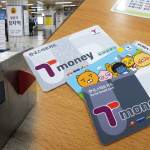
The easiest way to use the Seoul Subway is by purchasing a transportation card. The most commonly used card is the T-money card, which can easily be purchased at convenience stores, subway stations, and airports.
After purchasing the card, simply load the amount you wish to use. Tap the card on the fare gate when entering the station, and the gate will open automatically. When you arrive at your destination, tap the card again as you exit, and the correct fare will be deducted automatically.
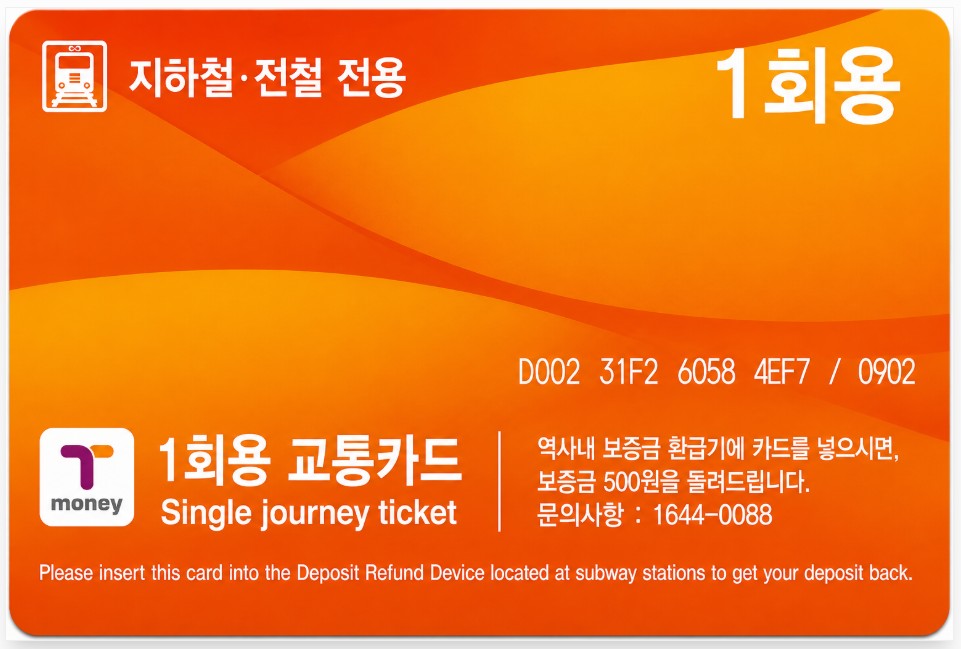
If you do not have a transportation card, you can purchase a Single Journey Ticket. However, considering transfer discounts and overall convenience, using a T-money card is highly recommended.
Many first-time visitors to Seoul wonder whether they should choose a T-money card or a Single Journey Ticket. The best option depends on the length of your trip and how often you plan to use public transportation.
① If you are staying in Seoul for more than one day, a T-money card is highly recommended.
A T-money card can be used not only on the Seoul Subway but also on city buses, many taxis, and even at some convenience stores. If you plan to use public transportation multiple times, it is the most convenient choice.
- Available at Incheon International Airport and Gimpo International Airport
- Can also be purchased at subway stations and most convenience stores (CU, GS25, 7-Eleven, Emart24)
- Recharge with any amount you wish
- Eligible for transfer discounts
② If you only plan to ride once or twice, a Single Journey Ticket is also an option.
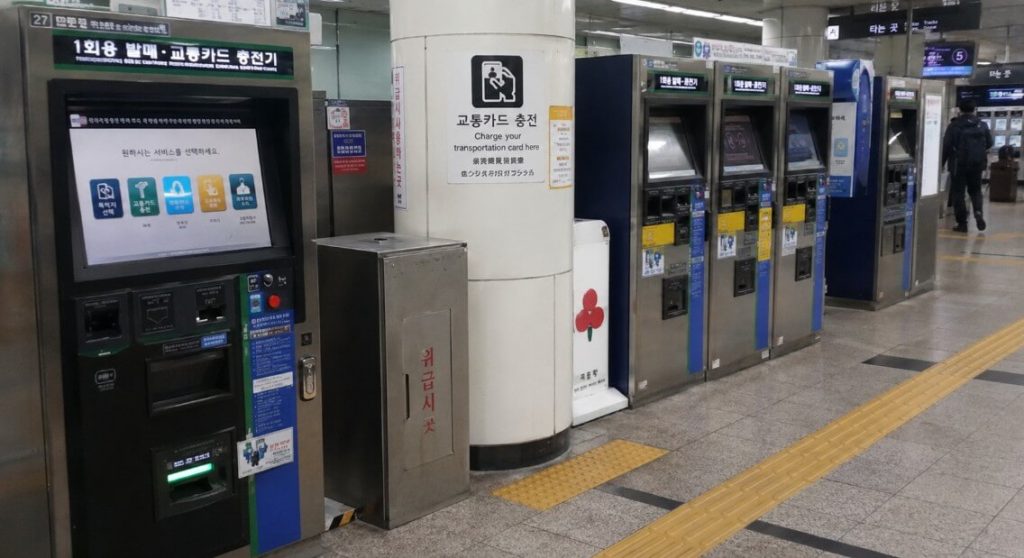
You can purchase a Single Journey Ticket from the ticket vending machine located in every subway station.
The process is simple.
- Select your preferred language (English, Chinese, or Japanese).
- Choose your destination station.
- Pay the fare.
- Receive your Single Journey Ticket.
After arriving at your destination, exit through the fare gate and insert the card into the Deposit Refund Machine to receive your deposit back.
③ Ticket vending machines support multiple languages.
Most subway ticket machines support the following languages.
- Korean
- English
- Chinese
- Japanese
Even if you cannot read Korean, you can easily purchase a ticket by following the on-screen instructions.
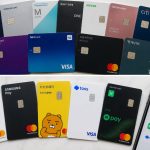
④ Check whether your overseas credit card is accepted.
Some ticket vending machines may not accept credit cards issued outside Korea. If your card does not work, it may be easier to pay with cash or purchase a T-money card at a convenience store.
⑤ The best choice for most travelers
If you plan to stay in Seoul for more than one day or visit several tourist attractions, using a T-money card is the most convenient option. You do not need to buy a ticket every time you travel, and you can also receive transfer discounts, saving both time and money.
TIP: If you expect to use public transportation frequently, purchase a T-money card as soon as you arrive at the airport. You can then use the same card on the subway, buses, and many taxis, making your trip much more convenient.
Seoul Subway Fares
Compared with many major cities around the world, the Seoul Subway offers relatively affordable fares.
The base fare starts at approximately 1,600 KRW, with additional charges depending on the travel distance. Children and teenagers receive discounted fares, and using a transportation card is generally cheaper than paying with cash or purchasing Single Journey Tickets.
You can also save money by using the transfer discount when traveling between buses and the subway.
How to Transfer Between Subway Lines
One of the biggest advantages of the Seoul Subway is its convenient transfer system.
Within transfer stations, clearly marked signs guide passengers from one line to another. Most transfer stations display both line colors and line numbers, making navigation easy even for first-time visitors.
Although some transfer corridors are quite long, simply following the signs will lead you to the correct platform without much difficulty.
Important Things to Know When Transferring
One of the most common mistakes visitors make is during transfers.
To receive transfer discounts, you must use a transportation card such as T-money. If you leave the fare-paid area by passing through the exit gate, your transfer may end, so always follow the transfer signs unless you have reached your final destination.
Transfers must also be completed within the allowed time limit. Late at night, different subway lines may have different last train schedules, making transfers more difficult.
Large transfer stations such as Seoul Station, Wangsimni Station, and Jongno 3-ga Station have long walking distances, so it is wise to allow extra time.
Even on the same subway line, trains may travel in different directions. Before boarding, always double-check both your destination station and the train’s final destination. (Even as a Korean, I sometimes get confused too. 😊)
Seoul Subway Etiquette
The Seoul Subway serves millions of passengers every day, so following basic etiquette helps everyone enjoy a comfortable journey.
Allow passengers to exit before boarding the train. Priority seats should be left for elderly passengers, pregnant women, and people with disabilities.
It is also considered polite to avoid loud phone conversations or eating inside the train.
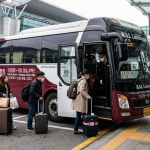
During rush hours, trains can become extremely crowded. If you are traveling with large luggage, choosing a less busy time will make your trip much more comfortable.
Useful Tips for Foreign Visitors
The Seoul Subway provides English announcements as well as signs in English, Chinese, and Japanese. Free Wi-Fi is available at most stations.
Elevators and escalators are widely available, making travel convenient for people with strollers or large suitcases.
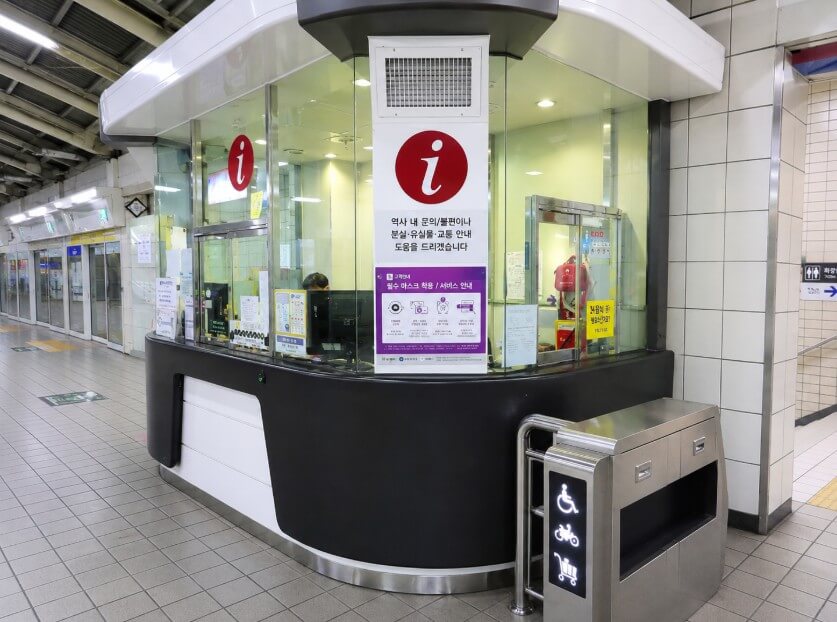
If you lose something during your trip, you can ask for assistance at the Lost and Found Center for the relevant subway line. (Every situation is different. Although Korea is generally considered very safe, the chances of recovering lost items are unfortunately not always high.)
You can also explore the characteristics of each subway line—from Lines 1 through 9, the Airport Railroad (AREX), and the Shinbundang Line—to learn which routes are most useful for foreign visitors and how to use express trains efficiently.
How Is the Seoul Subway Network Organized?
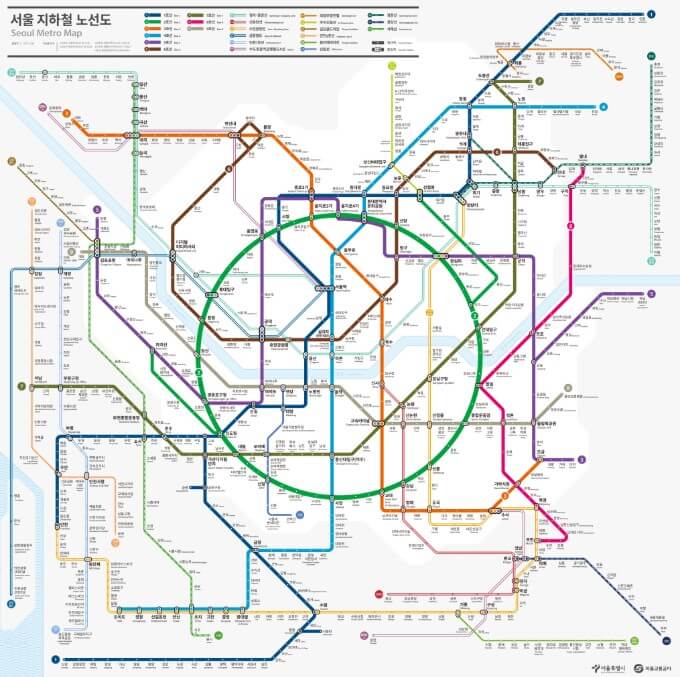
Seoul Metro Map (English)
The Seoul subway system uses line numbers and colors to identify each route, making it easy for first-time visitors to navigate. Each line serves different areas of the city and connects major tourist attractions, business districts, and residential neighborhoods.
By checking both the line color and the station number on the subway map, even the large and complex network becomes much easier to understand.
Characteristics of Lines 1–9
- Line 1: The oldest subway line, connecting Seoul with major surrounding cities such as Incheon, Suwon, and Uijeongbu.
- Line 2: A circular line around central Seoul, connecting popular areas including Hongdae, Gangnam, Jamsil, and Seongsu.
- Line 3: Convenient for sightseeing and shopping, serving destinations such as Gyeongbokgung Palace, Anguk, and Express Bus Terminal.
- Line 4: Connects Seoul Station, Myeongdong, and Dongdaemun, making it one of the most frequently used lines by international visitors.
- Line 5: A major east-west line connecting Gwanghwamun, Yeouido, and Gimpo International Airport.
- Line 6: Ideal for culture and leisure, with stops including Itaewon, Hangang Park, and World Cup Stadium.
- Line 7: Connects northeastern Seoul with the Gangnam area and is widely used by commuters.
- Line 8: Primarily serves the Jamsil and Songpa districts.
- Line 9: Features express trains, allowing faster travel between Gangnam and Gimpo International Airport.
AREX and the Shinbundang Line
Travelers arriving at Incheon International Airport most commonly use the Airport Railroad Express (AREX) to reach Seoul.
The All-Stop Train stops at multiple stations along the route, while the Express Train travels directly to Seoul Station with no intermediate stops.
The Shinbundang Line is one of the fastest subway lines in the Seoul metropolitan area, providing quick connections between Gangnam and southern Gyeonggi Province.
Helpful Tips When Using the Subway
Some sections of the Seoul subway operate both local trains and express trains on the same tracks. Before boarding, always check the platform display to confirm that the train stops at your destination.
It is also recommended to check the terminal station (final destination) in addition to the line number, as this helps prevent boarding a train traveling in the opposite direction.
Frequently Asked Questions (FAQ)
Q1. Is the Seoul subway easy for foreigners to use?
Yes. English announcements, English signs, line colors, and station numbers make the subway easy to navigate, even for first-time visitors.
Q2. How much does the Seoul subway cost?
The base fare starts at approximately KRW 1,600 for adults, with additional charges depending on the travel distance. Using a transportation card makes travel more convenient.
Q3. Where can I buy a T-money card?
T-money cards can be purchased and reloaded at Incheon International Airport, Gimpo International Airport, subway stations, and most convenience stores such as CU, GS25, 7-Eleven, and Emart24.
Q4. Can I use the subway without a transportation card?
Yes. You can purchase a Single Journey Ticket from a ticket vending machine at the station. However, a T-money card is generally more convenient because it offers transfer discounts and faster payment.
Q5. How do I transfer between subway lines?
Simply follow the transfer signs inside the station. In most cases, you can transfer to another line without exiting through the fare gates.
Q6. What should I be careful about when transferring?
If you exit through the fare gates, your transfer benefit may end. Transfers must also be completed within the allowed transfer time. In addition, always check the train’s terminal station before boarding, even if it is the correct line.
Q7. What time does the Seoul subway operate?
Operating hours vary by line, but most first trains begin around 5:30 AM, and the last trains run until around midnight.
Q8. Is the Seoul subway safe?
Yes. Most stations are equipped with platform screen doors, CCTV cameras, and emergency call buttons, making the Seoul subway one of the safest subway systems in the world.
Q9. Is free Wi-Fi available?
Yes. Free Wi-Fi is available in many stations and on many trains, allowing travelers to stay connected throughout their journey.
Q10. Can I bring a suitcase on the subway?
Yes. Most stations have elevators and escalators, making it convenient to travel with large luggage.
Q11. What is the difference between express trains and local trains?
Express trains stop only at selected stations, allowing faster travel. Always check whether the train stops at your destination before boarding.
Q12. What should I do if I get lost in the subway?
Ask a station staff member for assistance, or follow the English signs and station numbers to find your destination.
Q13. Can I eat food on the subway?
Although it is generally allowed, eating on the subway is discouraged out of consideration for other passengers. It is especially recommended to avoid foods with strong odors.
Q14. What should I do if I lose something?
Report the lost item to the nearest station office or the lost-and-found center for the relevant subway line. Staff can help you locate your belongings.
Q15. What is the most important tip for first-time subway users?
Always check both the line color and station number, and confirm the train’s terminal station before boarding. Carrying a T-money card also makes fare payment and transfers much easier.
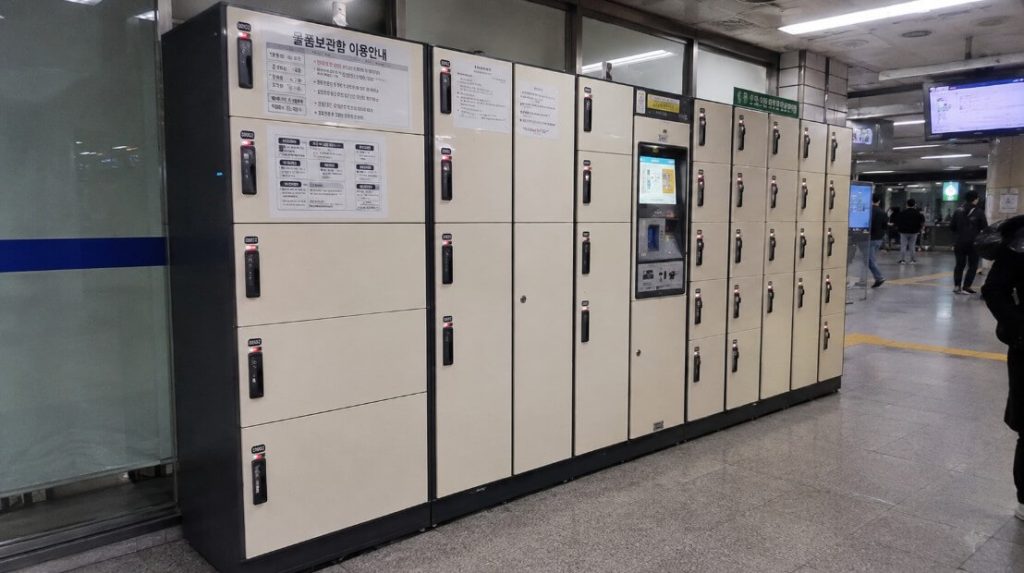
Using Lockers in the Seoul Subway
Most major Seoul subway stations have self-service lockers (T-Lockers), making it easy to store your luggage while traveling. They are especially useful before hotel check-in, after check-out, or when you want to explore the city without carrying heavy bags or suitcases.
Lockers are usually located inside or outside the fare gates or near station exits. Simply choose an available locker, select your language on the screen, make a payment, and store your belongings. Lockers are available in different sizes, from small lockers for backpacks to large lockers for suitcases.
Before using a locker, check its availability and operating hours. Avoid storing valuables, and remember that additional charges may apply if you exceed the basic rental period.