Can You Really Travel in Korea Without Cash?
Korea’s Cashless Culture That Surprises Foreign Visitors the Most
One of the biggest surprises for first-time visitors to South Korea is how easy it is to get through the day without using cash.
In many countries, carrying cash is still necessary. Street vendors, small cafés, taxis, and vending machines often accept only cash.
Korea, however, is different.
You can easily spend an entire day with nothing more than your smartphone. From meals and transportation to shopping, cafés, and convenience stores, almost every payment can be made digitally.
If you’re planning a trip to Korea, here’s everything you should know about Korea’s cashless culture.
🇰🇷 Why Is Cash Rarely Needed in Korea?
South Korea has one of the world’s most advanced internet infrastructures and financial systems.
Combined with fast mobile technology and a long-established card payment culture, cash usage has continued to decline.
Today, many Koreans carry their smartphones more often than their wallets.
For most daily activities, all you really need is:
- 📱 A smartphone
- 🪪 An ID card
- 🚇 A transportation card
With just these three items, you can handle almost everything.
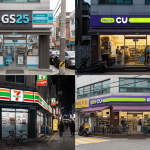
🏪 Even Convenience Stores Are Cash-Free
Almost every convenience store in Korea accepts multiple payment methods, including:
- 💳 Credit cards
- 💳 Debit cards
- 📱 Mobile payments
- 🚇 Transportation cards
- ⚡ Digital wallets and easy payment services
Even buying a ₩1,000 bottle of water with a credit card is completely normal.
For many foreign visitors, this is one of the first cultural surprises they notice.
📱 Mobile Payment Services Are Everywhere
In Korea, people don’t rely only on credit cards.
Smartphone payment services have become an essential part of everyday life.
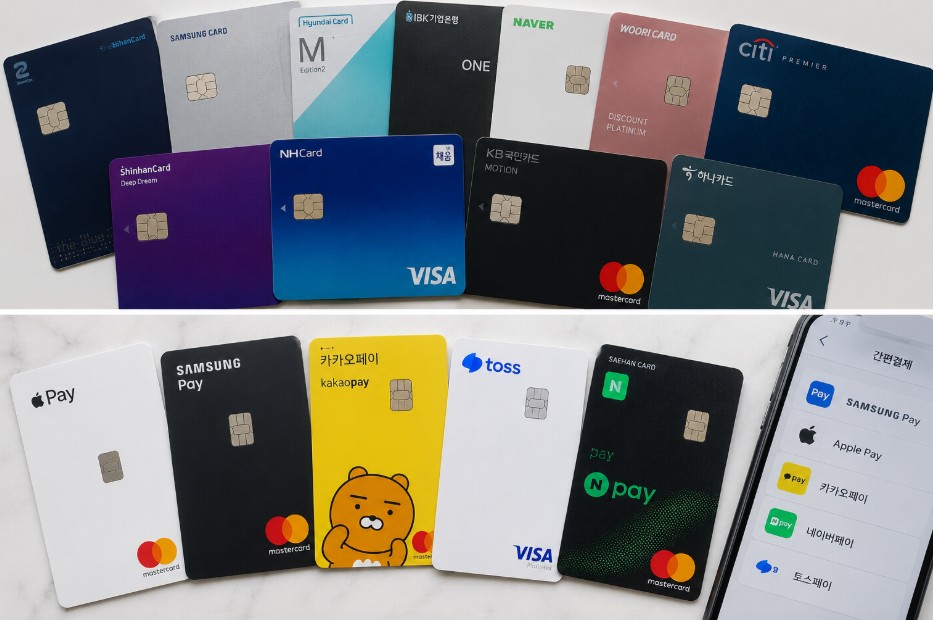
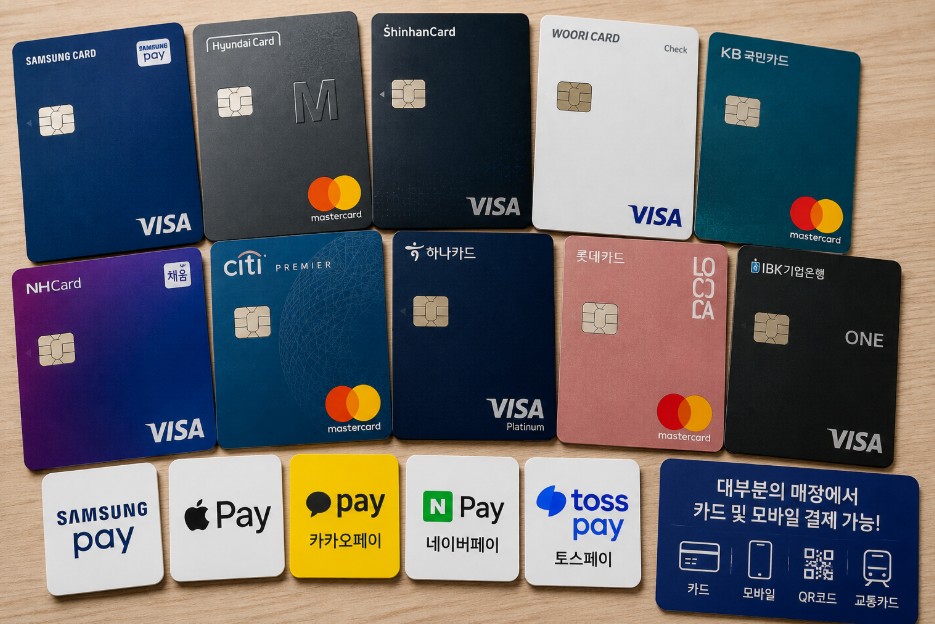
Some of the most popular payment services include:
- Samsung Wallet
- Apple Pay
- Kakao Pay
- Naver Pay
- Toss Pay
Simply tap your smartphone on the payment terminal or scan a QR code, and your payment is completed within seconds.
Many Koreans even leave home without a wallet, using only their smartphones to pay for transportation, coffee, meals, shopping, and more.
⚠️ Korea Is Not Completely Cashless—Yet
Although South Korea is considered one of the world’s leading cashless societies, it is not entirely cash-free.
In reality, around 90% of restaurants, cafés, convenience stores, shopping malls, and franchise businesses accept credit cards and mobile payments, making cash unnecessary for most travelers.
However, roughly 10% of small local businesses, traditional markets, street food vendors, and neighborhood shops may still prefer or require cash.
👉 For this reason, travelers should mainly rely on cards or mobile payments while carrying ₩10,000–₩30,000 in cash for unexpected situations.
Korea is not a completely cashless country, but it is one of the countries where cash is used the least, and most visitors can travel comfortably with little or no cash.
☕ Even Cafés Rarely Use Cash
Not only Starbucks but also small independent cafés usually accept card payments.
Some self-service cafés don’t accept cash at all.
Customers simply order through a kiosk and pay immediately using a card or mobile payment.
🚖 Card Payment Is Standard in Taxis
In Korea, you rarely need cash to take a taxi.
Most taxis are equipped with card readers that accept:
- 💳 Credit cards
- 💳 Debit cards
- 🚇 Transportation cards
- 📱 Mobile payments
All of these payment methods are widely accepted.
If you use the Kakao T app, your fare can even be paid automatically through the app.
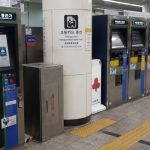
🚇 Public Transportation Is Smart and Convenient
Korea’s public transportation system is considered one of the most convenient in the world.
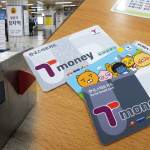
With just one transportation card, you can ride:
- 🚇 Subway
- 🚌 City buses
- 🚌 Express buses
- 🚖 Some taxis
More recently, many people have started using digital transportation cards stored on their smartphones, eliminating the need for a physical card altogether.
🍢 Can You Pay for Street Food by Card?
In the past, cash was essential when buying street food or shopping at traditional markets.
Today, however, many vendors now accept credit cards and QR code payments.
Paying by card for tteokbokki, hotteok, fish cakes, or kimbap has become increasingly common.
That said, some traditional markets and small street vendors still accept cash only, so carrying a small amount of cash is recommended.
🥤 Even Vending Machines Accept Cards
Many modern vending machines in Korea now support credit cards and mobile payments.
There’s no need to search for coins anymore.
Simply tap your card or smartphone, and your purchase is completed in just a few seconds.
🌍 Can Foreign Visitors Use These Payment Methods?
Yes.
International credit cards such as Visa and Mastercard are accepted at most hotels, department stores, supermarkets, restaurants, cafés, and convenience stores throughout Korea.
Foreign visitors can also use prepaid travel cards and transportation cards for even greater convenience.
However, some small businesses may not accept overseas-issued cards, so it’s wise to carry a small amount of cash as a backup.
⭐ What Makes Korea’s Cashless Culture So Special?
Korea isn’t simply a country where people use cards frequently.
The remarkable part is that cashless payment is available in almost every aspect of daily life.
Imagine starting your day by buying coffee at a convenience store,
taking the subway,
working in a café,
having lunch,
and then taking a taxi home—
all without ever opening your wallet.
This seamless payment experience is one of the things that leaves the strongest impression on visitors to Korea.
💡 Helpful Tips Before Traveling to Korea
✅ International credit cards such as Visa and Mastercard are accepted at most businesses.
✅ Getting a transportation card makes traveling on buses and subways much easier.
✅ Carry around ₩10,000–₩30,000 in cash in case you visit traditional markets or small vendors that accept cash only.
✅ Mobile payments are extremely common in Korea, but some overseas digital wallets may have limited compatibility.
South Korea has one of the most convenient payment systems in the world.
Many first-time visitors are amazed to discover that it’s possible to spend an entire day using nothing but a smartphone or a credit card.
However, because some traditional markets and small local businesses still prefer cash, carrying a small emergency amount is always a good idea.
If you’re planning a trip to Korea, bring your smartphone and credit card before you worry about carrying cash. Chances are you’ll be impressed by Korea’s fast, safe, and incredibly convenient cashless culture.
❓ Frequently Asked Questions (FAQ)
Q1. Do I need to carry cash when traveling in Korea?
A. Most restaurants, cafés, convenience stores, shopping malls, and taxis accept credit cards and mobile payments. However, some traditional markets, street food vendors, and small local shops may accept cash only, so carrying around ₩10,000–₩30,000 is recommended.
Q2. What payment methods are most commonly used in Korea?
A. Credit cards and debit cards are the most widely used payment methods. Mobile payment services such as Samsung Wallet, Apple Pay, Kakao Pay, Naver Pay, and Toss Pay are also extremely popular.
Q3. Can I use my Visa or Mastercard in Korea?
A. Yes. International cards such as Visa and Mastercard are accepted at most hotels, department stores, supermarkets, franchise restaurants, cafés, and convenience stores. However, some small local businesses may not accept overseas-issued cards.
Q4. Is it really possible to travel around Korea without cash?
A. For the most part, yes. Most travelers can complete almost their entire trip using only cards or mobile payments. Still, it’s a good idea to carry a small amount of cash for unexpected situations.
Q5. Can I pay for street food with a credit card?
A. Many street food stalls now accept credit cards and QR code payments. However, some traditional markets and small vendors still operate on a cash-only basis, so it’s worth checking before ordering.
Q6. What’s the most convenient way to pay in Korea?
A. For short-term visitors, an international credit card such as Visa or Mastercard is the easiest option. Long-term residents can enjoy even greater convenience by using Samsung Wallet, Apple Pay, Kakao Pay, Naver Pay, or Toss Pay.